History and Turning Points
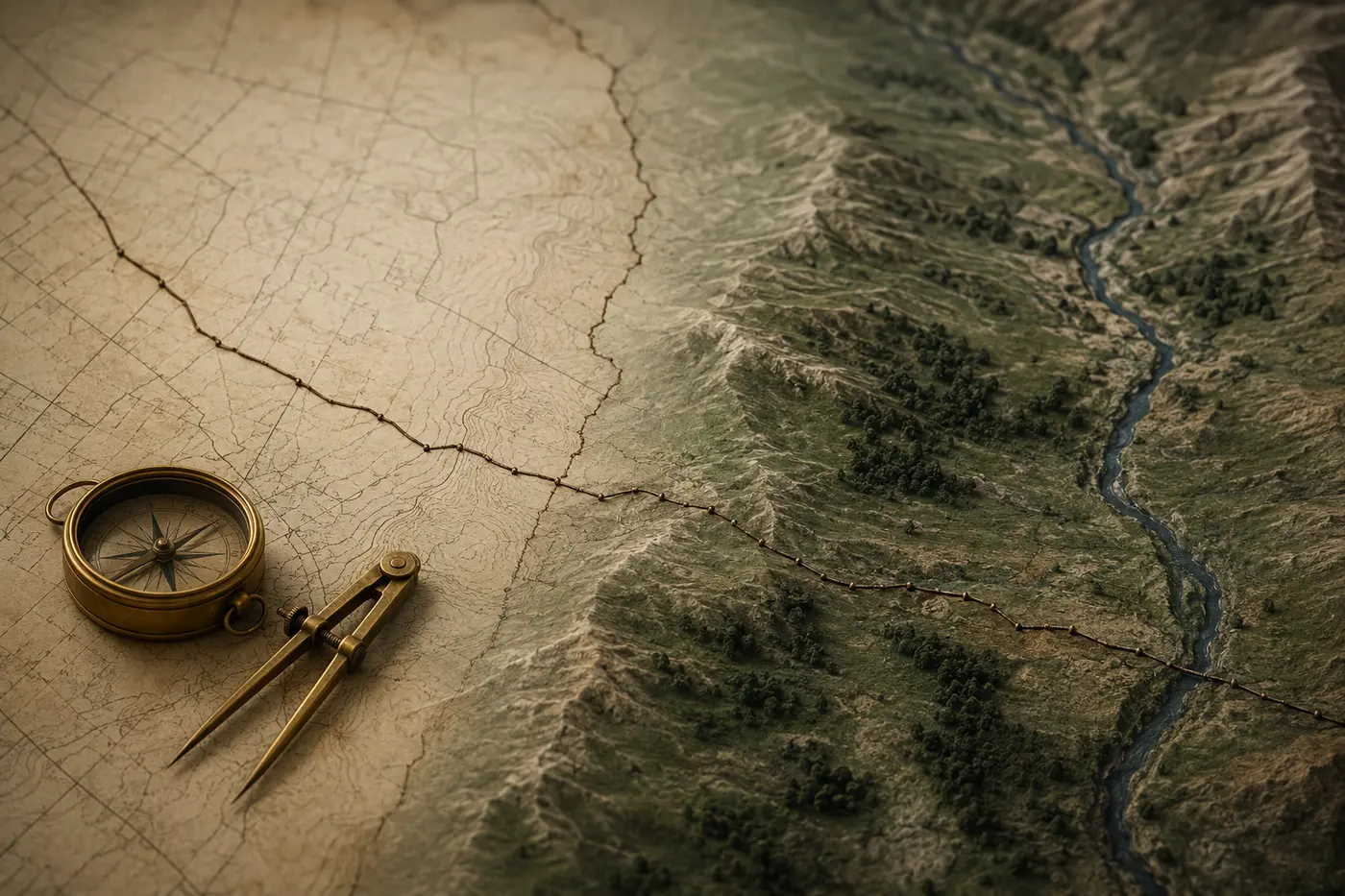
A Border Drawn for an Empire, Inherited by Nations
What begins as a convenient line on an official map can become a lived boundary, a political claim and sometimes a wound.
Subjects are useful doors, not sealed rooms. Every article has one primary home and may connect to several others.
What begins as a convenient line on an official map can become a lived boundary, a political claim and sometimes a wound.
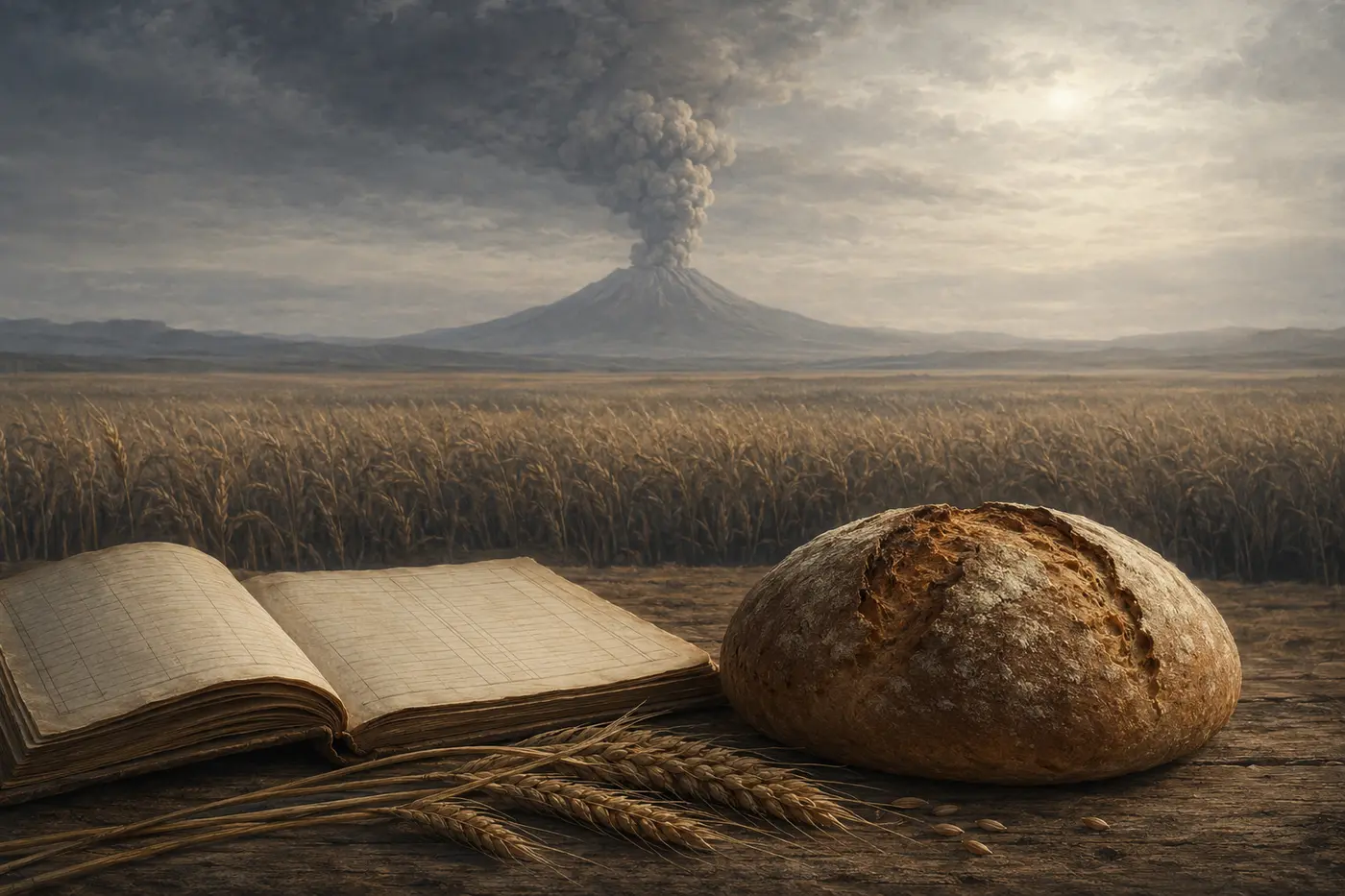
The eruption was local. Its consequences were not. A distant volcano altered skies, harvests and household decisions across continents.
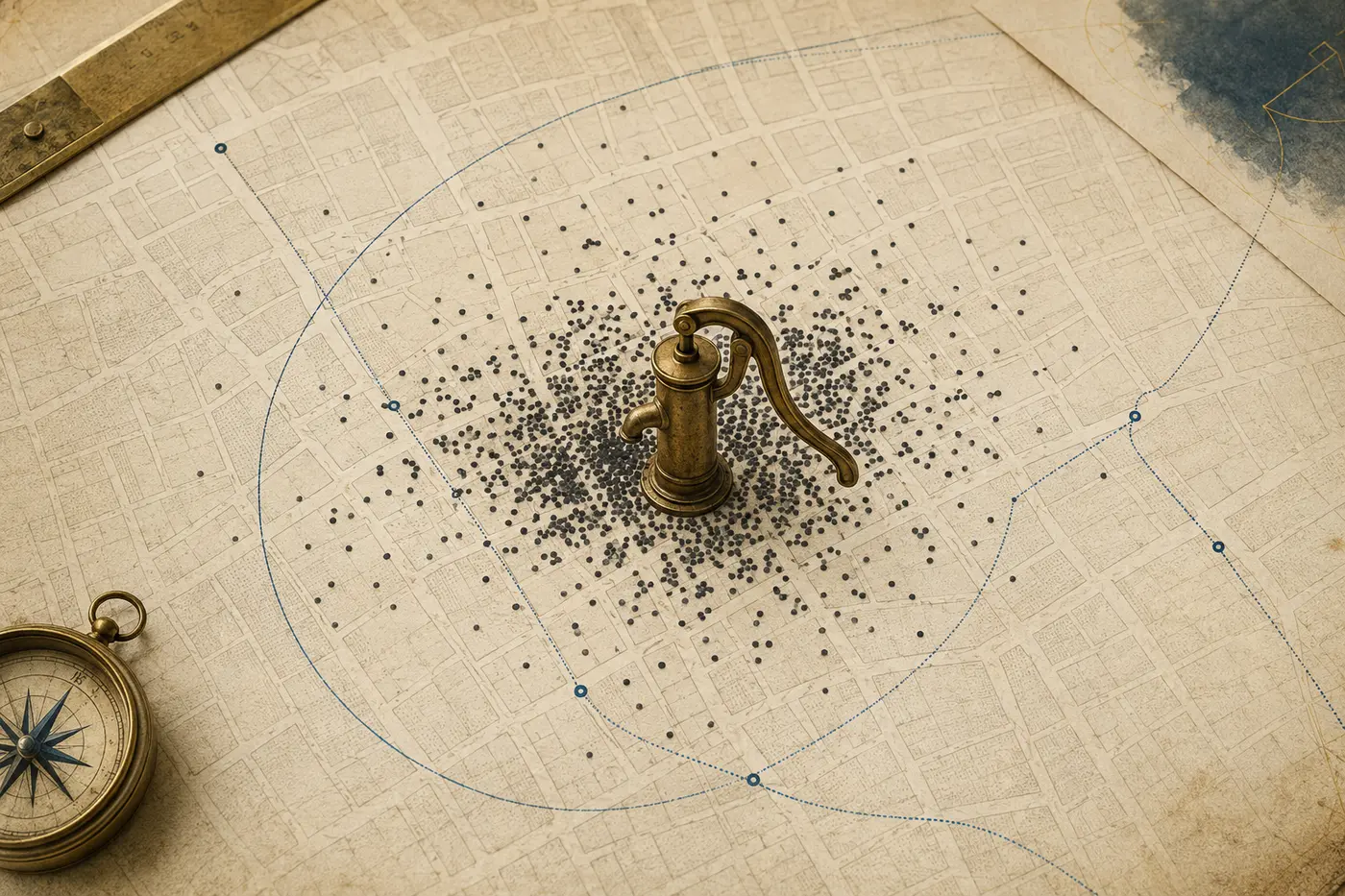
Dots on a street map did not defeat cholera by themselves. Their power came from connecting deaths, place and a contested explanation.
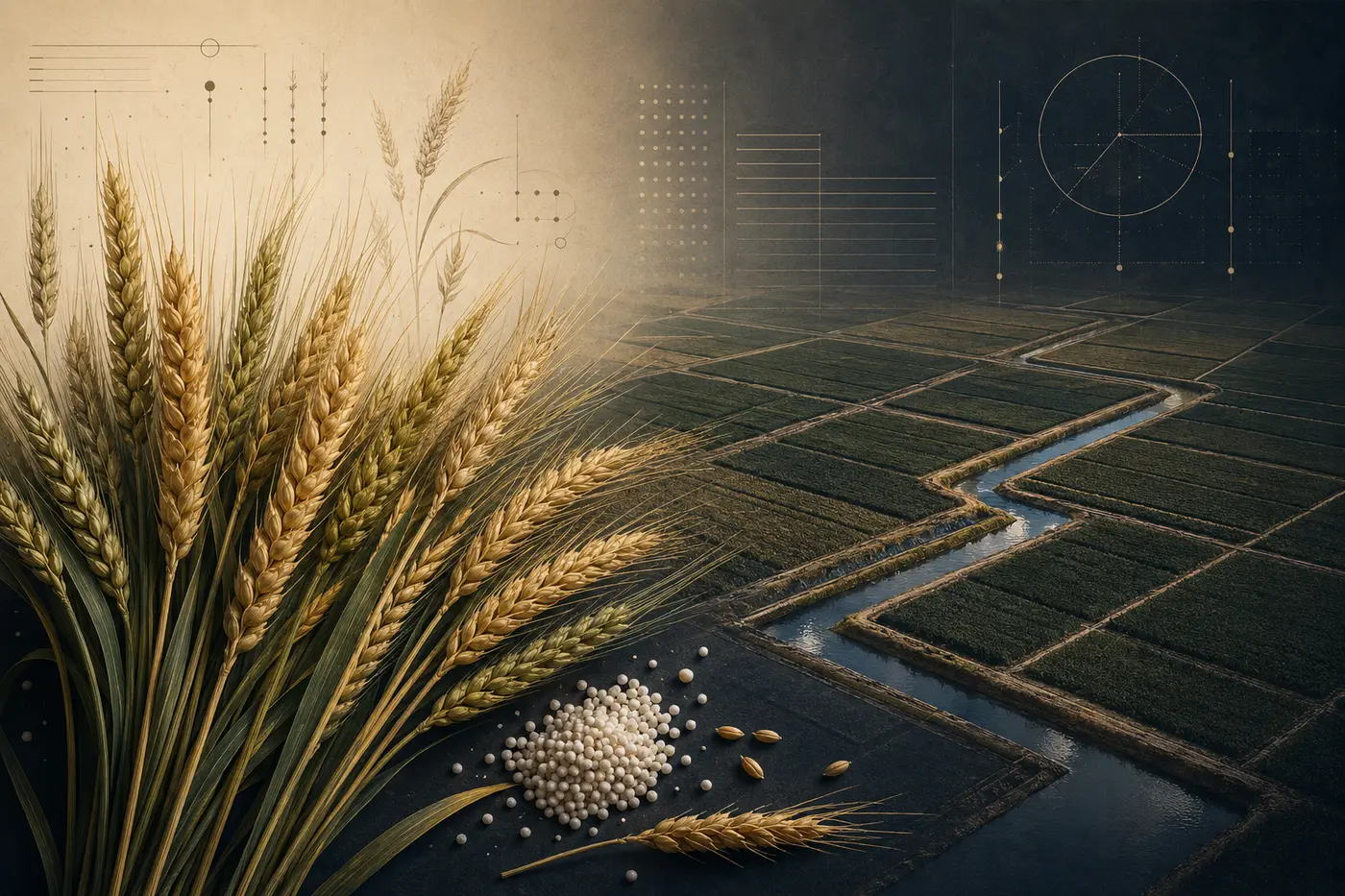
New crop varieties helped avert feared shortages. Their success also tied harvests more closely to water, fertilizer, credit and policy.
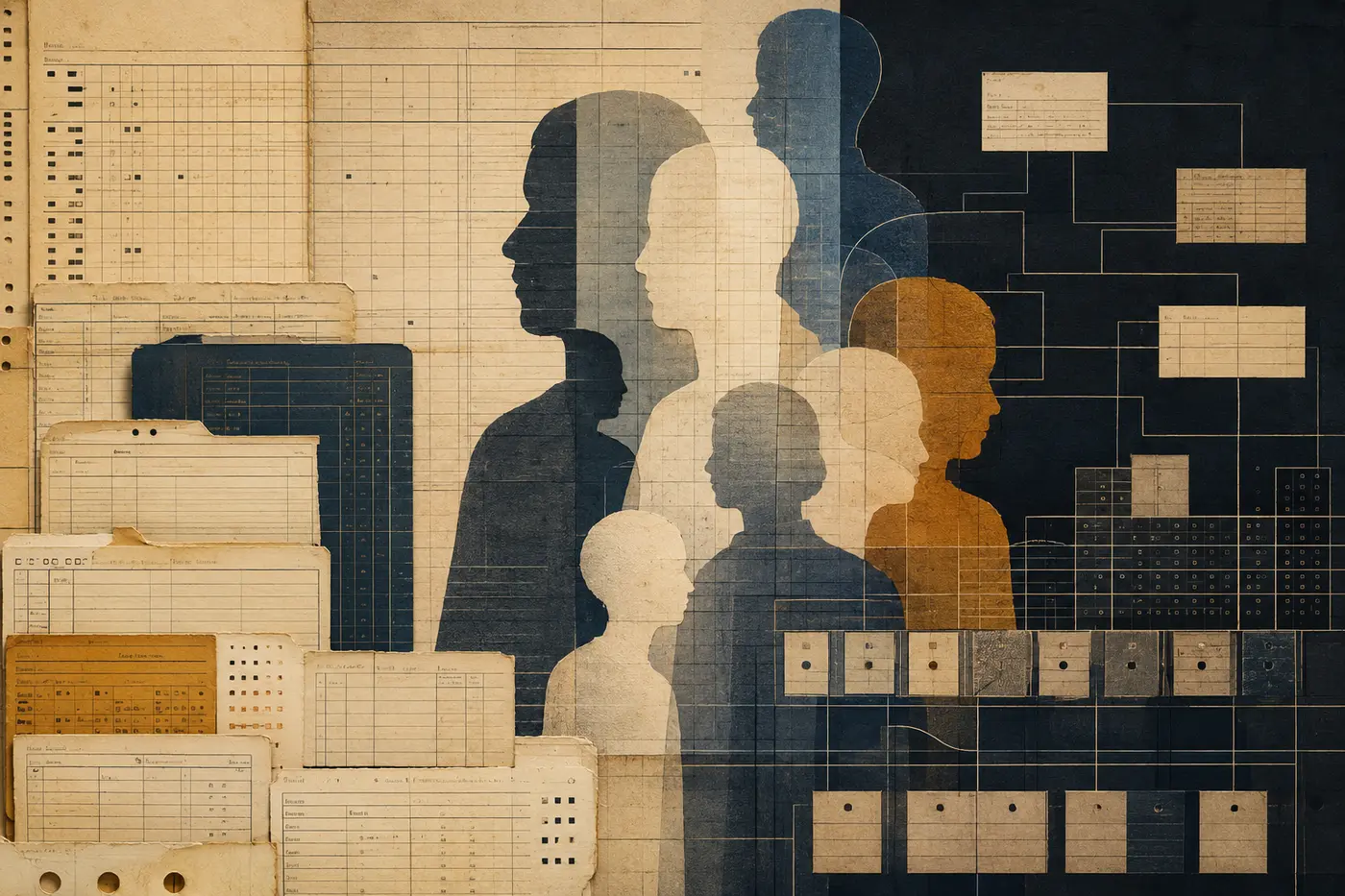
A census appears to record society. Yet the boxes on the form can also harden fluid identities into durable political facts.
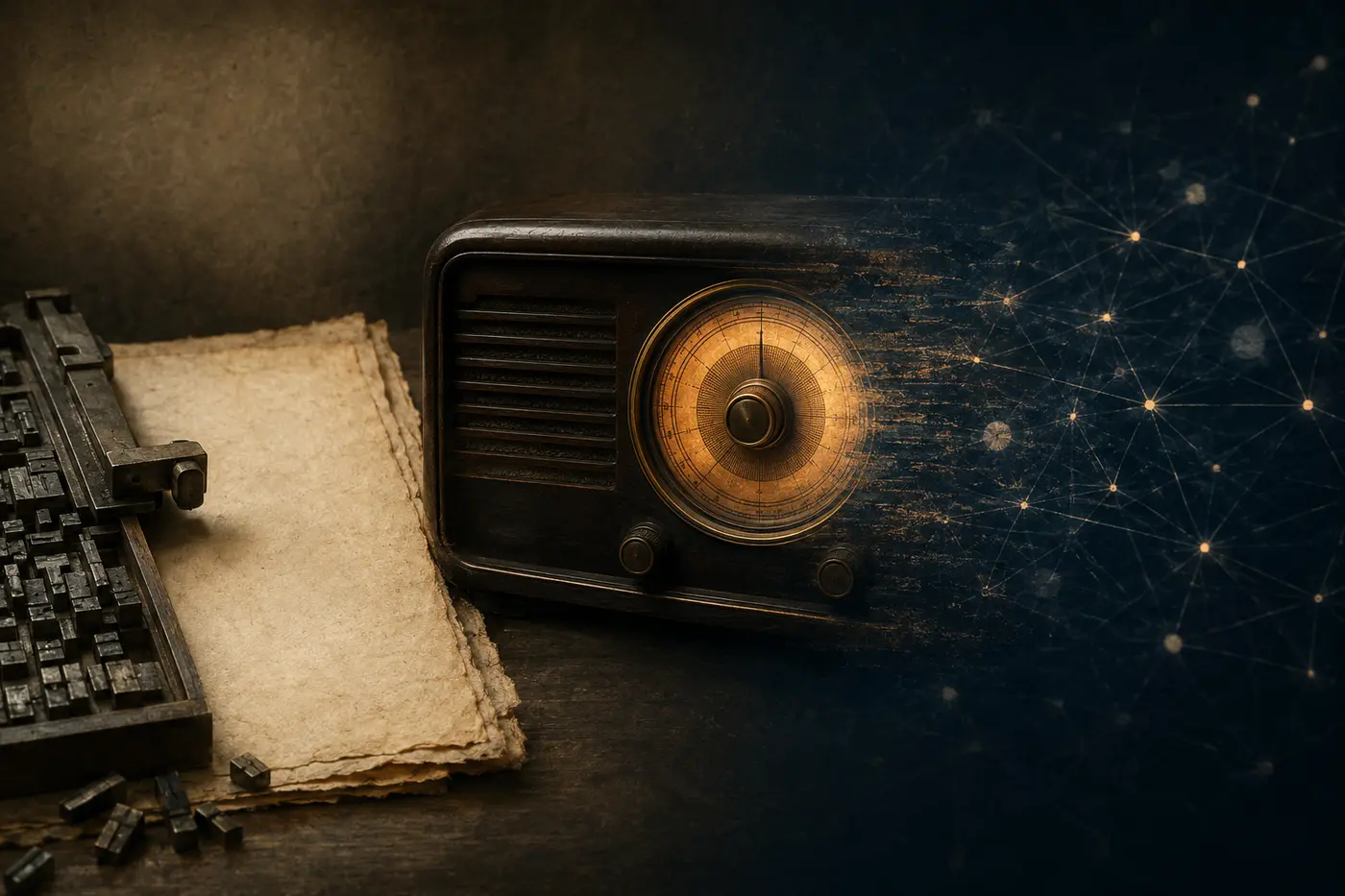
New media repeatedly arrive with a familiar accusation: too much information, too little judgment, and the wrong people gaining influence.
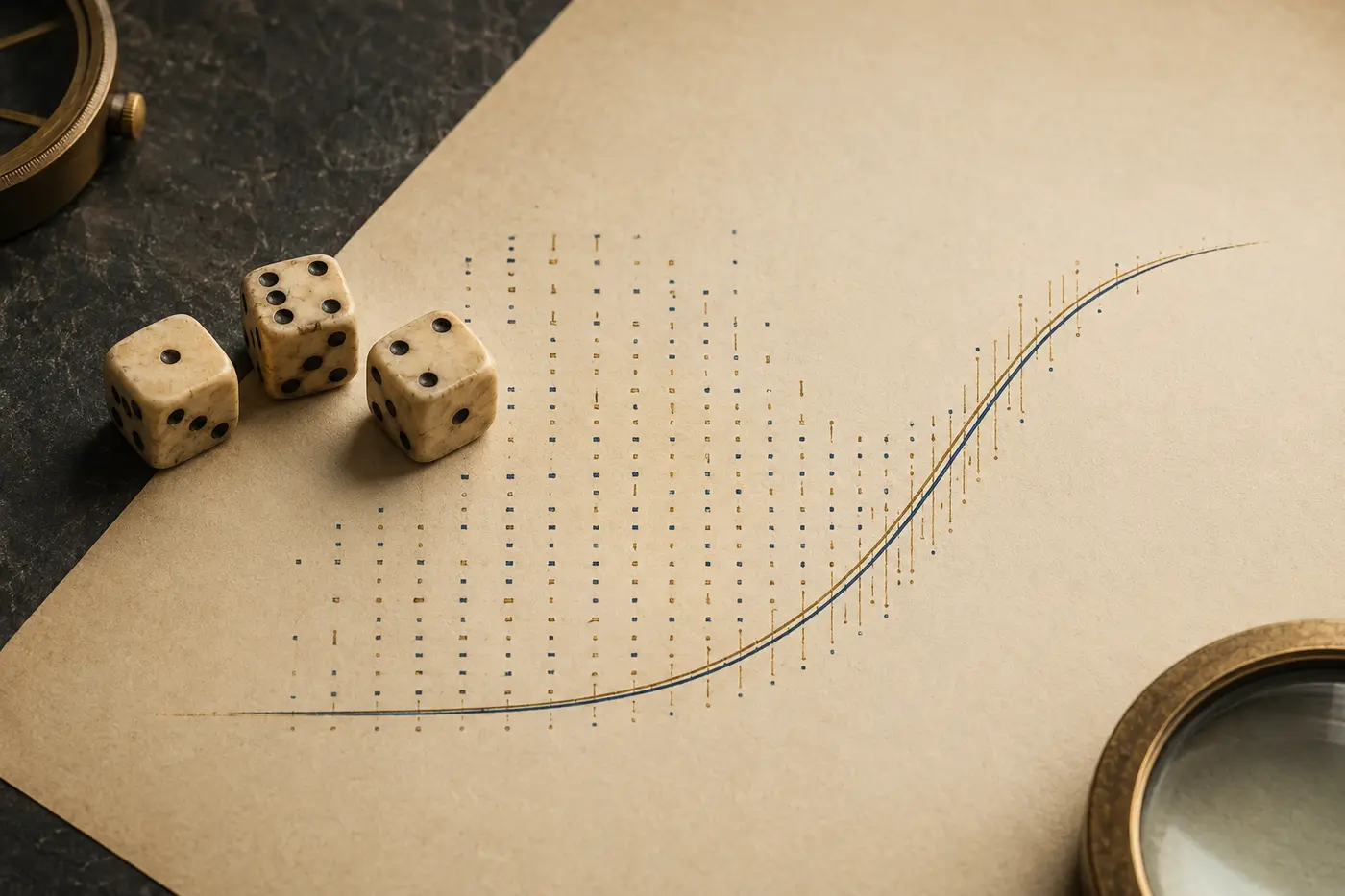
A gambling problem helped produce tools now used in insurance, medicine and public policy. The numbers clarified risk, then created new ways to misunderstand it.
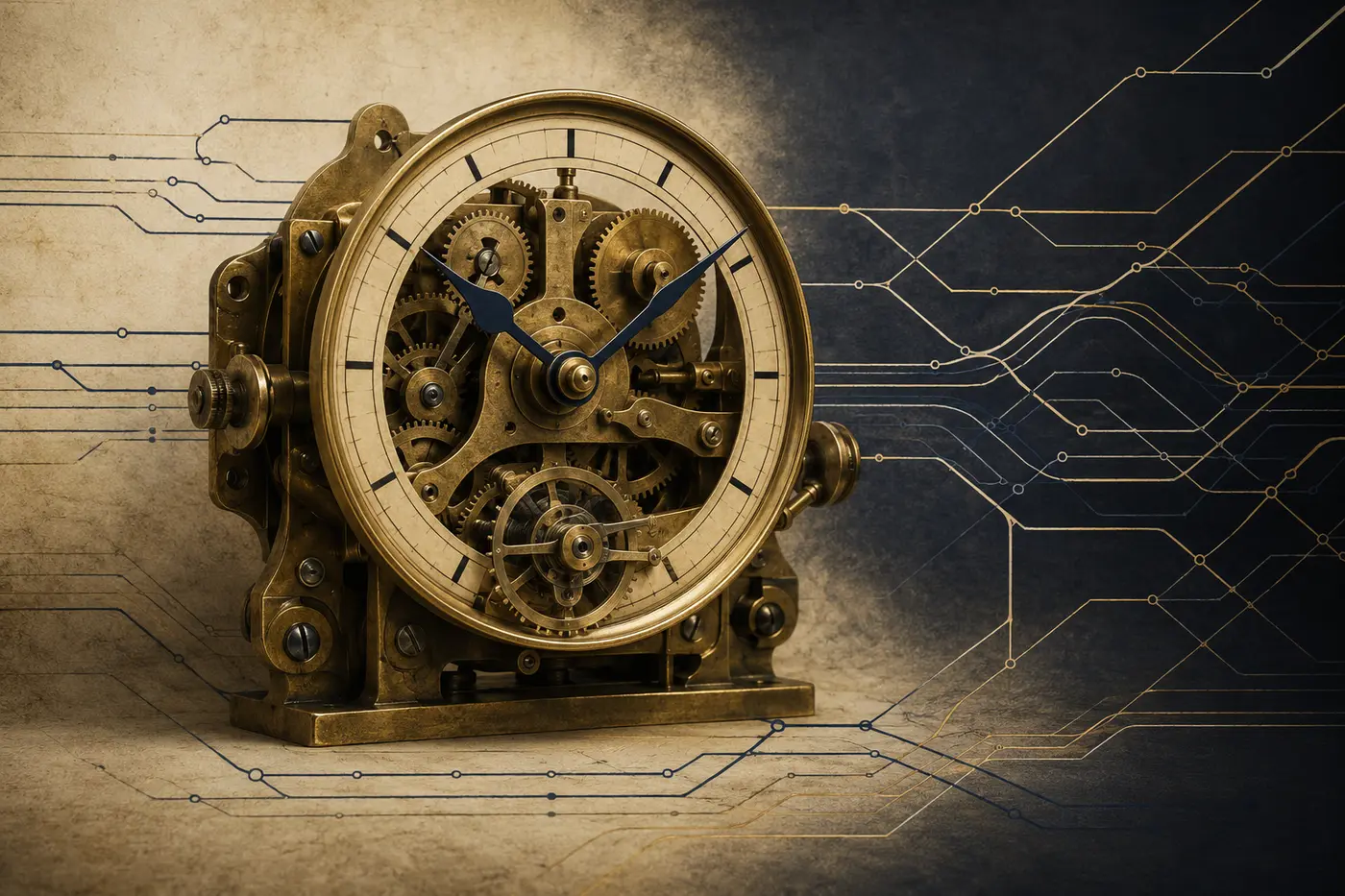
Before synchronized clocks, noon was a local fact. Railways turned that harmless difference into a dangerous problem, and the solution reached much further than the timetable.

The typewriter vanished from most desks. Its letter arrangement stayed, carried forward by habit, training and the cost of changing together.

For most of history, light was costly. Electricity reversed that scarcity and rearranged work, leisure, streets—and the body’s oldest rhythms.